

Last Updated: November 5, 2026
Quick Summary
To preserve muscle mass, lift something heavy 2-3 times a week, eat protein at every meal spread across 3-4 meals, and add essential amino acids around training. Sleep 7-9 hours, manage stress, and track your progress so you can adjust.
- Resistance training is the strongest signal to keep muscle; bodyweight, bands, or dumbbells all work.
- Doing cardio only sends no strong keep-this-muscle signal, so you need resistance training even light.
- After about age 30, many adults lose muscle gradually unless they train and eat to keep it.
- To keep muscle while losing weight, keep the calorie deficit modest and keep lifting.
- Older adults often eat less protein than they need, so prioritize protein and essential amino acids.
Table of Contents
- How to Preserve Muscle Mass: A Step-by-Step Plan
- How to Maintain Muscle Mass While Losing Weight
- How to Keep Muscle Mass as You Age (and Regain It After 60)
- Frequently Asked Questions
How to Preserve Muscle Mass: A Step-by-Step Plan
Muscle mass predicts how well you move, recover, and stay independent as you age. Learning how to preserve muscle mass comes down to one principle: give your muscles a reason to stay and the raw materials to rebuild.
Muscle is "use it or lose it" tissue, and the same basics apply whether you are a vegan athlete, an older adult, or someone recovering from surgery.
Step 1: Lift something heavy 2-3 times a week. Resistance training is the strongest signal to keep muscle; bodyweight, bands, or dumbbells all work.
Step 2: Hit a protein target at every meal, spread across 3-4 meals rather than loaded at dinner.
Step 3: Add essential amino acids around training, the building blocks your body cannot make on its own.
Step 4: Sleep 7-9 hours and manage stress. Recovery is when muscle is rebuilt.
Step 5: Track your progress. Log lifts and body weight so you can adjust.
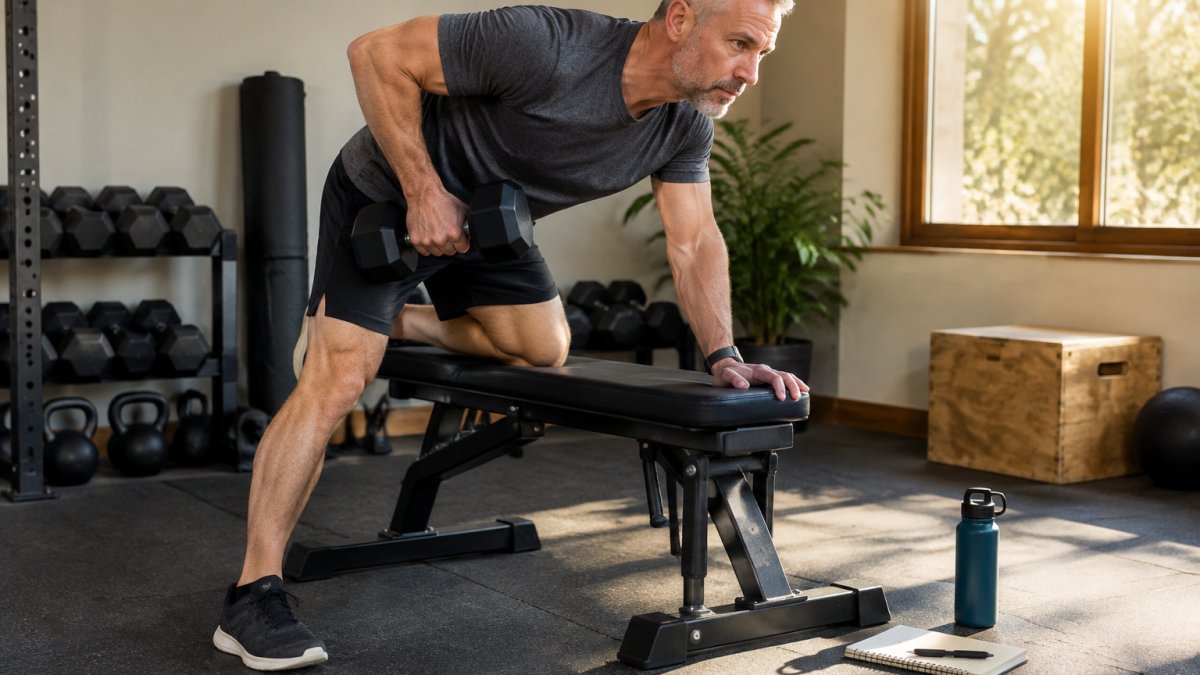
A common mistake is doing cardio only. Cardio sends no strong "keep this muscle" signal; you need resistance training, even light, to protect lean mass.
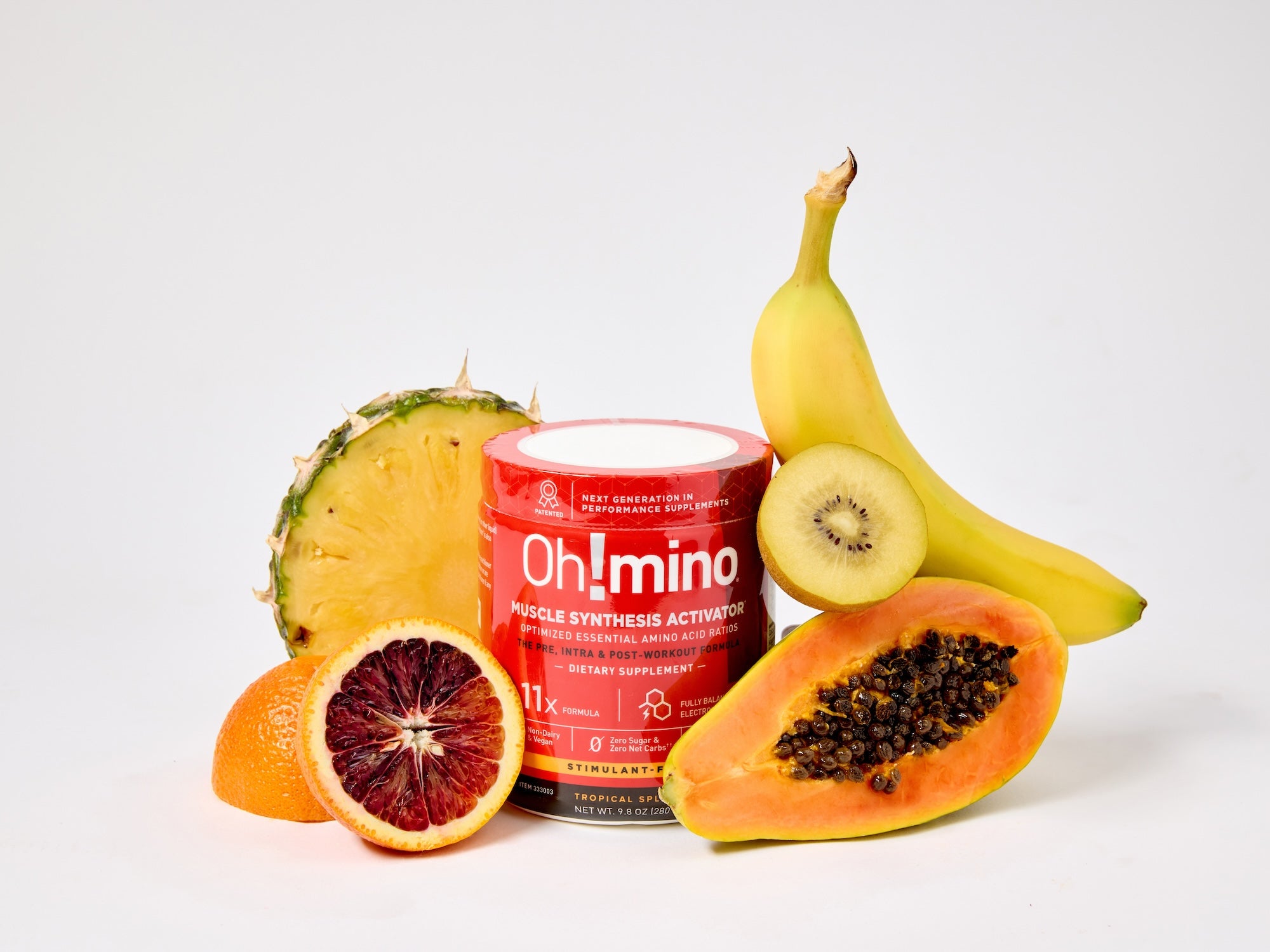
Oh!mino® Muscle Synthesis Activator† – Stimulant-Free 180 Vegetarian Hard →
To add amino acids to your routine, shop the Oh!mino Muscle Synthesis Activator capsules or start with the Oh Mino Quick Start Muscle Synthesis Activating System.


| Step | What to Do | How Often |
|---|---|---|
| Resistance training | Lift weights or use bands | 2-3x per week |
| Protein | Eat protein at each meal | Daily |
| Amino acids | Take EAAs around training | Training days |
How to Maintain Muscle Mass While Losing Weight
To keep muscle while losing weight, lose fat slowly and keep protein and training high. In a calorie deficit, your body can burn muscle for fuel if you give it no reason to keep it.
- Keep the deficit modest. Slow loss protects lean mass better than a crash diet.
- Raise protein to protect muscle when calories are low.
- Keep lifting, do not drop resistance training while dieting.
- Watch the scale and mirror. Losing weight too fast often means muscle is going too.
A high-protein diet plus strength training is often the difference between losing fat and losing muscle. If you are cutting weight, the Oh Mino Muscle Synthesis Activator Powerbuy is a value bundle built for exactly that.
How to Keep Muscle Mass as You Age (and Regain It After 60)
Age-related muscle loss starts earlier than most think: after about age 30, many adults lose muscle gradually unless they train and eat to keep it. You can build and regain muscle at almost any age, including after 60.
- Strength training, even light. Chair squats, band rows, and light dumbbells all count.
- Enough protein and essential amino acids. Older adults often eat less protein than they need.
- Vitamin D and overall nutrition support muscle and bone.
Even without hard training, you can support muscle maintenance. The Oh Mino Stimulant Free Berry Blast flavor is caffeine-free and fits older adults, while the caffeinated vegan capsules suit those who prefer a capsule over a drink.

A common mistake after 60 is assuming it is too late. It is not. Start light, increase gradually, and stay consistent.
Muscle loss is quiet, showing up as stairs that feel harder long before the mirror shows it. The fix: train against resistance, eat enough protein, and give your body the amino acids it needs to rebuild. Oh!mino makes vegan, dairy-free, gluten-free essential amino acid supplements with fully balanced electrolytes, and contains zero sugar, carbs or calories. Get started with Oh!mino and give your muscles a reason to stay.
Frequently Asked Questions
How do you maintain muscle mass without working out?
You can slow muscle loss without formal workouts by increasing daily movement and protein intake. Walk regularly, take stairs, and do bodyweight squats or chair stands a few times a day. Aim for 1.2-1.6 g of protein per kg of body weight from foods like lentils, tofu, and beans.
What are the signs of losing muscle mass?
Common signs include weaker grip strength, slower walking speed, difficulty standing from a chair without using your arms, and clothes fitting differently without weight change. You may also notice less stamina on stairs or carrying groceries. Tracking your strength in basic lifts or how many chair stands you can do in 30 seconds gives a clearer picture than the scale alone.
How can you regain muscle mass after 60?
Start with two resistance-training sessions per week using light weights or bands, and gradually increase the challenge. Prioritize protein at each meal, aiming for 1.2-1.6 g per kg of body weight daily. Include a leucine-rich protein source such as soy. Monitor progress by tracking how much weight you lift and how easily you perform daily tasks.


